When Is Wisdom Teeth Removal Necessary?
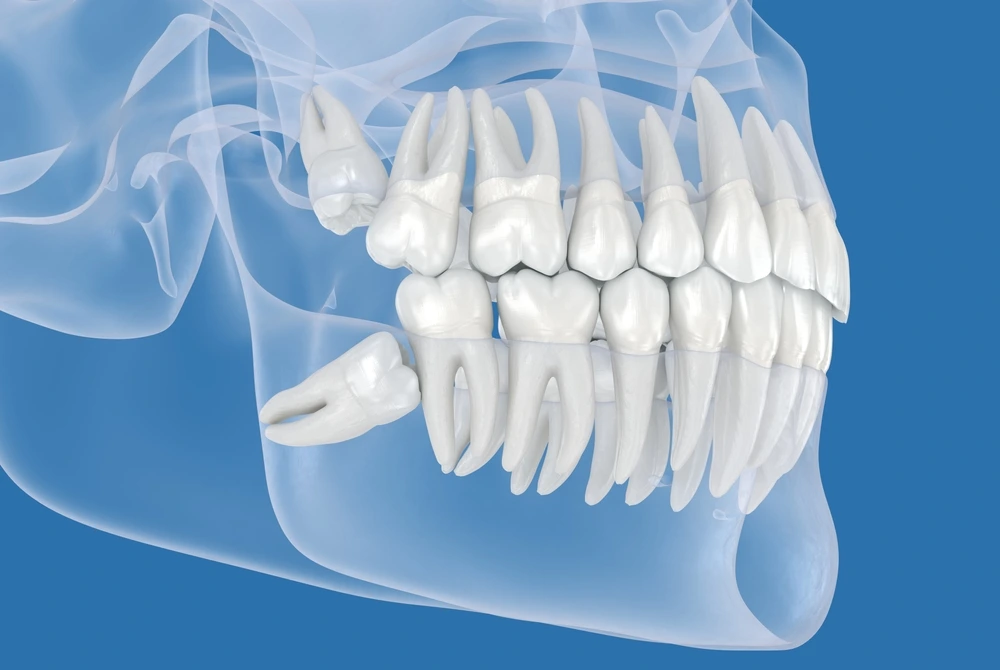
Wisdom teeth removal is one of the most common oral surgery procedures, yet many patients are unsure when it is truly necessary. Some people never experience problems with their wisdom teeth, while others develop pain, infections, or damage to nearby teeth. Understanding when removal is recommended can help you make an informed decision about your oral health.
At Family Dental of Georgetown, we frequently help patients from Georgetown, MA, and nearby communities understand whether wisdom tooth extraction is preventative, urgent, or avoidable. This guide explains what wisdom teeth are, common problems associated with them, and the key signs that indicate removal may be necessary.
What Are Wisdom Teeth?
Wisdom teeth, also known as third molars, are the last set of molars to erupt, usually between the ages of 17 and 25. Most adults develop up to four wisdom teeth, one in each corner of the mouth.
While wisdom teeth once helped our ancestors chew coarse foods, modern diets and smaller jaw sizes often leave insufficient space for them to erupt properly. As a result, wisdom teeth can become impacted, partially erupted, or misaligned, leading to a variety of dental problems.
Common Problems Caused by Wisdom Teeth
Not all wisdom teeth need to be removed, but they often cause complications due to limited space and difficult positioning. Common issues include:
- Impaction (teeth trapped under the gums or jawbone)
- Partial eruption, allowing bacteria to collect
- Crowding or shifting of nearby teeth
- Tooth decay due to difficulty cleaning
- Gum infections and inflammation
- Cysts or damage to surrounding bone
When these problems arise, wisdom teeth removal becomes the healthiest option.
When Is Wisdom Teeth Removal Necessary?
1. Impacted Wisdom Teeth
Impacted wisdom teeth do not fully emerge through the gums. They may grow at an angle, remain trapped under the gumline, or press against neighboring teeth. This can cause:
- Persistent jaw pain
- Swelling and tenderness
- Infection or abscess formation
- Damage to adjacent molars
In Georgetown, MA, dentists often recommend removal of impacted wisdom teeth to prevent future complications, even if symptoms are mild.
2. Recurrent Pain or Swelling
Pain near the back of the mouth, jaw stiffness, or facial swelling may indicate that wisdom teeth are struggling to erupt properly. These symptoms often worsen over time and can interfere with daily activities like eating and speaking.
If pain becomes frequent or intense, wisdom teeth extraction may be necessary to restore comfort and prevent infection.
3. Infection or Gum Disease (Pericoronitis)
When a wisdom tooth partially erupts, a flap of gum tissue may remain over the tooth. This creates a pocket where bacteria and food debris accumulate, leading to pericoronitis, a painful gum infection.
Signs include:
- Red, swollen gums
- Bad breath or unpleasant taste
- Difficulty opening the mouth
- Fever or general discomfort
Repeated infections are a strong indication that wisdom teeth removal is necessary.
4. Tooth Decay in Wisdom Teeth or Neighboring Teeth
Wisdom teeth are difficult to clean due to their position at the back of the mouth. Even patients with excellent oral hygiene may struggle to brush and floss these teeth effectively.
As a result:
- Wisdom teeth are more prone to cavities
- Adjacent molars may develop decay
- Fillings may be impractical or short-lived
In these cases, extraction is often more beneficial than attempting repeated restorations.
5. Damage to Adjacent Teeth or Bone
Pressure from erupting wisdom teeth can damage nearby teeth, leading to enamel erosion, gum recession, or bone loss. In rare cases, cysts may form around impacted wisdom teeth, potentially weakening the jawbone.
Removing the wisdom teeth early helps protect surrounding structures and maintain long-term oral health.
6. Crowding or Orthodontic Concerns
Although wisdom teeth do not always cause crowding, they can contribute to shifting in some patients, especially those who have undergone orthodontic treatment.
Dentists may recommend removal to:
- Preserve orthodontic results
- Reduce pressure on aligned teeth
- Maintain proper bite balance
This is particularly common for younger patients in Georgetown who are planning or have completed braces or clear aligner treatment.
7. Preventive Removal in Young Adults
In many cases, wisdom teeth are removed before problems develop. Preventive extraction is often recommended between the ages of 16 and 25, when:
- Roots are not fully formed
- Bone is more flexible
- Healing is faster
- Risk of complications is lower
Preventive wisdom teeth removal can reduce the likelihood of infections, pain, and complex surgeries later in life.
When Wisdom Teeth May Not Need Removal
Not all wisdom teeth require extraction. Removal may not be necessary if:
- The teeth are fully erupted
- They are properly aligned
- They do not interfere with neighboring teeth
- Gums around them are healthy
- They can be cleaned effectively
Regular dental exams and X-rays at a trusted Georgetown dental office are essential to monitor wisdom teeth over time.
How Dentists Decide If Removal Is Necessary
At Family Dental of Georgetown, wisdom teeth evaluation includes:
- A comprehensive oral exam
- Digital X-rays to assess position and root development
- Review of symptoms and oral hygiene habits
- Discussion of future risks
Based on this evaluation, your dentist will recommend either monitoring or extraction, ensuring the decision is personalized to your needs.
What to Expect During Wisdom Teeth Removal
Wisdom teeth extraction is a routine procedure. Depending on the complexity, it may be performed with local anesthesia, sedation, or referral to an oral surgeon.
The process generally involves:
- Gentle removal of the tooth
- Minimal discomfort during the procedure
- Clear aftercare instructions
- Short recovery period (most patients resume normal activities within a few days)
Proper aftercare is essential to promote healing and reduce the risk of dry socket or infection.
Why Choose Family Dental of Georgetown?
Patients looking for wisdom teeth removal in Georgetown, MA, choose Family Dental of Georgetown because of:
- Experienced and compassionate dental care
- Advanced diagnostic technology
- Personalized treatment planning
- Focus on patient comfort and education
- Convenient access for Georgetown and surrounding areas
Whether you are experiencing symptoms or simply want to know if removal is necessary, our team is here to help.
Schedule a Wisdom Teeth Evaluation in Georgetown, MA
If you’re experiencing pain, swelling, or concerns about your wisdom teeth, early evaluation can prevent more serious issues. Even if you’re symptom-free, a proactive assessment can provide peace of mind.
Contact Family Dental of Georgetown today to schedule your wisdom teeth consultation and take the next step toward long-term oral health.
Call Family Dental of Georgetown today at (978) 352-8421 to schedule your dental consultation with Dr. Ruchieka Vij and Dr. Hitesh Vij. You may also email us at dentist@familydentalofgeorgetown.com if you have any questions.
We proudly serve families across Rowley, Andover, Ipswich, Lawrence, Haverhill, Newburyport, Groveland, Georgetown, North Andover, and Bradford.
A healthy smile builds confidence and comfort, and you deserve care that lasts a lifetime.
This form is for contact purposes only. Please do not share personal health information (PHI). We will call you to discuss or address your medical conditions at your visit.

Monday: By Appointment Only
Tuesday: 7:30 a.m.–5:00 p.m.
Wednesday: 7:30 a.m.–5:00 p.m.
Thursday: 7:30 a.m.–5:00 p.m.
Friday: 7:30 a.m.–12:00 p.m.

Call Us: (978) 352-8421



We provide advanced, compassionate dental care in a modern setting. Book your appointment today and smile with confidence.


© Family Dental of Georgetown, 2026. All rights reserved | Privacy Policy | Digital Marketing by Remedo