Oral Surgery vs Tooth Extraction: What's the Difference?
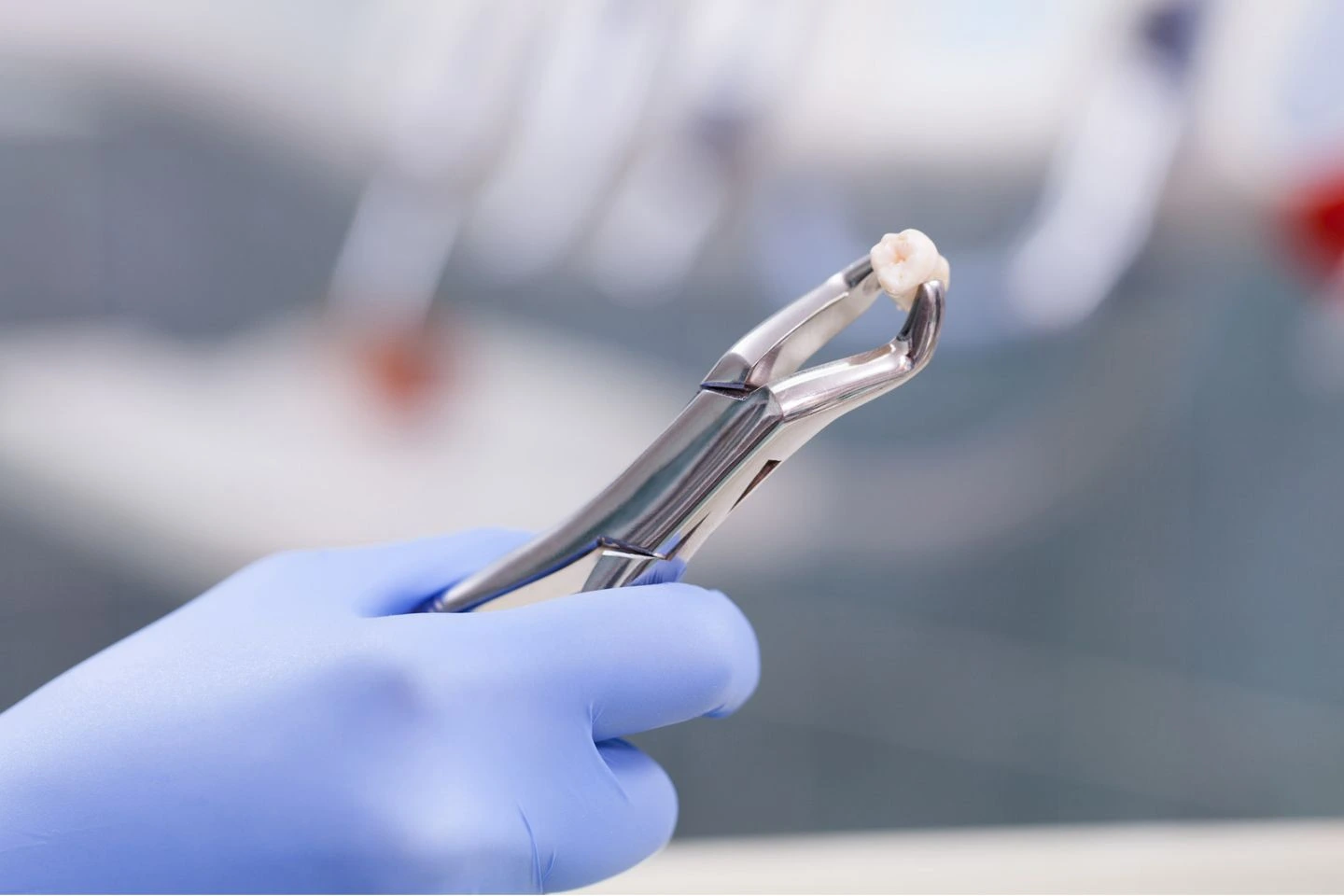
Heard your dentist say you need a tooth removed? You've probably also heard the terms "oral surgery" and "tooth extraction" tossed around like they mean the same thing. Fair mix-up, honestly. The two overlap a lot. But they're not identical, and knowing the difference helps you walk into that appointment actually knowing what to expect. At Family Dental of Georgetown, this question comes up all the time, especially the moment a dentist mentions a "surgical approach" instead of a simple removal.
So let's break it down. What separates the two, when each one applies, and what that means for your appointment, your recovery, and your peace of mind.
Tooth Extraction vs Oral Surgery: What Sets Them Apart?
Think of tooth extraction as one specific task. Oral surgery is the bigger category that task lives inside, along with several others. A tooth extraction is the removal of a tooth. Full stop. Oral surgery, on the other hand, covers a wider range of procedures on the teeth, gums, jaw, and surrounding structures, including certain types of extractions.
So every extraction is technically a procedure. But not every extraction rises to the level of "surgery" in the more involved sense. The real distinction comes down to how the tooth needs to come out.
Simple Extractions
A simple extraction is performed on a tooth that's fully visible above the gumline and has a straightforward root structure. The dentist loosens the tooth with a tool called an elevator, then removes it with forceps. Local anesthesia numbs the area. You stay comfortable the whole time. Quick, usually. No big deal for most people.
Surgical Extractions and Other Oral Surgery Procedures
A surgical extraction comes into play when the tooth isn't easy to get to, whether it's broken below the gumline, hasn't fully come in, or has roots that are curved, fused, or sitting at an odd angle. This is where things fall under the oral surgery umbrella. The dentist may need to make a small incision in the gum tissue, remove a bit of bone around the tooth, or section the tooth into pieces to get it out safely.
Beyond extractions, oral surgery in Georgetown, MA can also refer to procedures like:
- Removal of impacted wisdom teeth
- Bone grafting to prepare for dental implants
- Placement of dental implants
- Treatment of jaw-related issues, including certain infections or growths
- Gum surgery in more involved cases
Bottom line: a tooth extraction is about removing a tooth. Oral surgery is the bigger category, one that includes extractions with extra steps, plus a handful of procedures that have nothing to do with pulling a tooth at all.
How Do You Know Which One You Need?
You typically won't have to guess. Your dentist will look at the tooth, usually backed up by an X-ray, to check root position, bone condition, and whether the tooth has erupted or is impacted. From there, they'll tell you whether a simple extraction is realistic or whether a surgical approach makes more sense.
A few signals that point toward the surgical side:
- The tooth is impacted, meaning it hasn't fully come through the gum
- The tooth has broken off at or below the gumline
- The roots are curved, long, or oddly shaped
- There's limited space in the mouth, which is common with wisdom teeth
- The tooth is near a nerve or sinus cavity that requires careful handling
None of this is unusual. And it doesn't mean anything went wrong. It just means the tooth needs a little more planning to come out comfortably and safely.
What's Different About the Appointment Itself?
Simple extractions are often handled in a standard visit with local anesthesia. Many people are back to normal activities within a day or so. Surgical extractions and other oral surgery procedures tend to need more prep work. Think a closer look at your health history, imaging to map out exactly where the tooth sits, and a conversation about sedation if you'd rather be more relaxed during treatment.
Recovery looks different too. A simple extraction site often heals within a few days to a week. A surgical extraction, especially one involving incisions or bone, generally needs more downtime, more careful aftercare, and closer attention to swelling or discomfort in the days after.
What to Expect for Aftercare
Whichever category your procedure falls into, aftercare matters if you want a smooth recovery. General guidance usually includes:
- Biting down on gauze to control initial bleeding
- Avoiding straws or vigorous rinsing for the first day or two
- Sticking to soft foods while the area heals
- Taking any prescribed or recommended medication as directed
- Keeping the area clean without disturbing the healing tissue
Surgical procedures may come with a few extra instructions on top of that, like ice for swelling or specific guidance if you had stitches placed.
Does One Option Hurt More than the Other?
This is one of the most common questions people bring up, and honestly, it makes sense. The word "surgery" hits hard when you're already nervous about a dental visit. Truth is, both simple and surgical extractions are done with anesthesia, so you're numb and comfortable during the procedure itself. Afterward, some soreness is normal either way, though surgical procedures may bring a bit more swelling or tenderness simply because more tissue was involved. Over-the-counter or prescribed pain relief, plus some rest, usually handles it just fine for most people.
Ready to Get Started?
Dealing with a tooth that's causing pain, has broken, or got flagged at a checkup as needing to come out? It helps to get a clear answer on what you're actually facing before you sit in the chair. Family Dental of Georgetown works with people throughout Georgetown, MA to look at each situation individually, explain what's involved, and walk through the steps before anything gets scheduled. Whether it turns out to be a routine extraction or something more involved, Family Dental of Georgetown will make sure you know what to expect from start to finish. Reach out to Family Dental of Georgetown to schedule an evaluation and get a straight answer about your next step.
Frequently Asked Questions
Q: Is oral surgery always more painful than a regular tooth extraction?
A: Not necessarily. Both procedures use anesthesia to keep you comfortable during the appointment. Recovery discomfort can vary, but it's typically manageable with standard pain relief and proper aftercare, regardless of which type of procedure you have.
Q: How do I know if my wisdom teeth need surgical removal?
A: An exam and X-ray will show whether your wisdom teeth are impacted, angled, or have limited room to erupt. These factors usually determine whether a surgical approach is recommended.
Q: Can Family Dental of Georgetown handle both simple and surgical extractions?
A: Family Dental of Georgetown evaluates each case individually and discusses the appropriate approach based on the position and condition of the tooth in question.
Q: How long does recovery take after oral surgery?
A: Recovery time depends on the specific procedure. Simple extractions often heal within about a week, while surgical procedures may take somewhat longer due to the additional tissue involved.
Q: Will I need sedation for a tooth extraction?
A: Not always. Many simple extractions only require local anesthesia. Sedation is more commonly discussed for surgical procedures or for patients who prefer extra comfort during treatment.
Q: What should I eat after having a tooth removed?
A: Soft foods like yogurt, mashed potatoes, and smoothies (without a straw) are generally recommended for the first few days after either type of procedure.
Call Family Dental of Georgetown today at (978) 352-8421 to schedule your dental consultation with Dr. Ruchieka Vij and Dr. Hitesh Vij. You may also email us at dentist@familydentalofgeorgetown.com if you have any questions.
We proudly serve families across Rowley, Andover, Ipswich, Lawrence, Haverhill, Newburyport, Groveland, Georgetown, North Andover, and Bradford.
A healthy smile builds confidence and comfort, and you deserve care that lasts a lifetime.
This form is for contact purposes only. Please do not share personal health information (PHI). We will call you to discuss or address your medical conditions at your visit.

Monday: By Appointment Only
Tuesday: 7:30 a.m.–5:00 p.m.
Wednesday: 7:30 a.m.–5:00 p.m.
Thursday: 7:30 a.m.–5:00 p.m.
Friday: 7:30 a.m.–12:00 p.m.

Call Us: (978) 352-8421



We provide advanced, compassionate dental care in a modern setting. Book your appointment today and smile with confidence.


© Family Dental of Georgetown, 2026. All rights reserved | Privacy Policy | Digital Marketing by Remedo