How to Prepare for Oral Surgery: A Complete Patient Guide
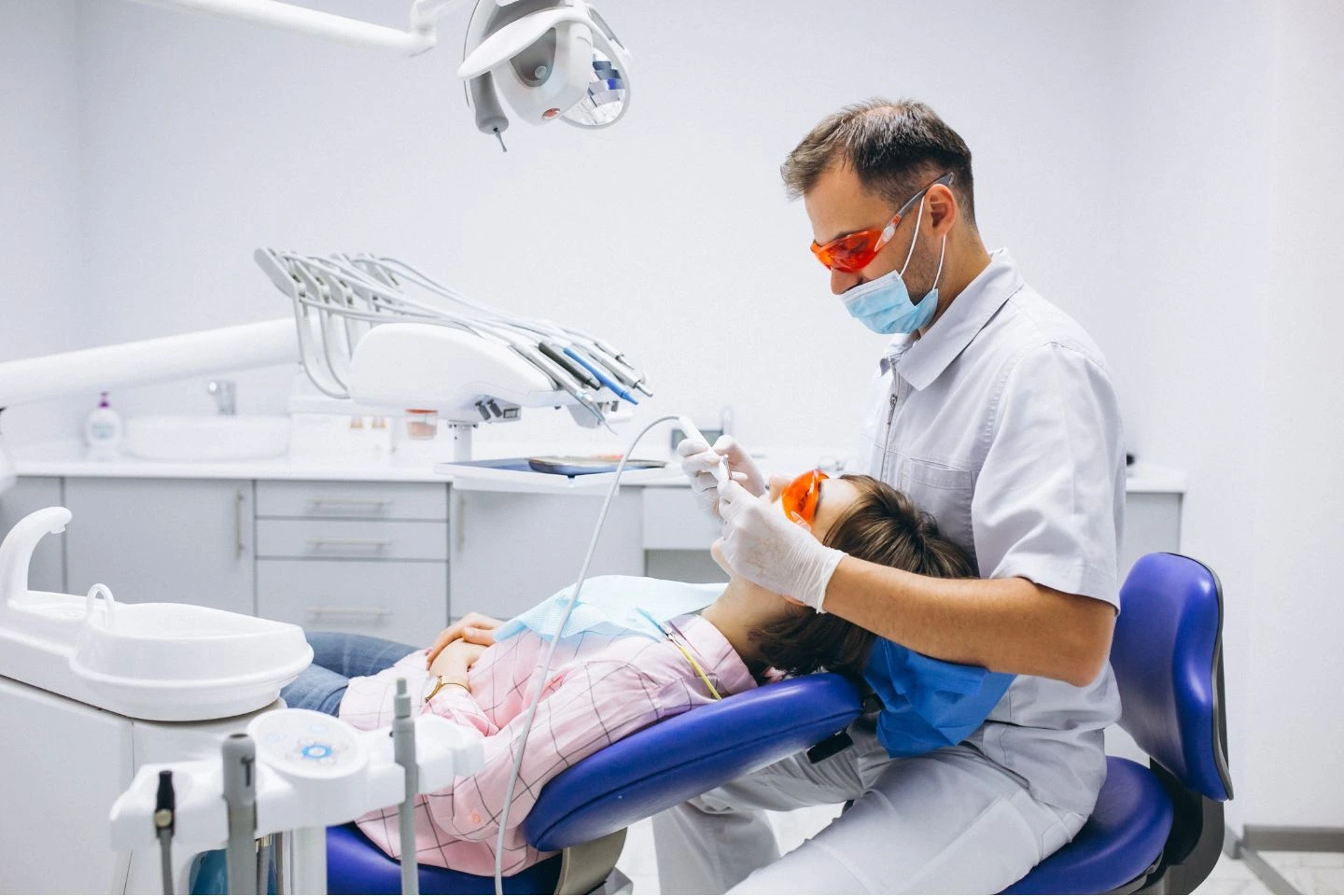
If you've got oral surgery coming up, there's a good chance one thought keeps looping in your head: "What if something goes wrong? What if I don't heal right?" Sound familiar? That worry is incredibly common, and it usually comes from not knowing what to actually expect. Truth is, most people aren't really scared of the procedure itself. They're scared of the unknown around it. The recovery. The timing. The "what do I even do the night before" questions nobody bothers to explain.
Here's the thing: oral surgery, whether it's a tooth extraction, wisdom tooth removal, or something more involved, tends to go smoothly for the vast majority of people when there's proper prep beforehand. That preparation is the part that's actually in your control, and it makes a bigger difference than most people realize. This guide walks through exactly what to do before, during, and after your procedure, so you're not left guessing.
Why Do So Many Patients Worry About Oral Surgery?
Most anxiety around oral surgery comes down to a handful of recurring fears: pain during the procedure, a rough recovery, or complications that catch you off guard. These worries are valid. But they're also largely addressed by modern anesthesia options, clear aftercare instructions, and simply knowing what's coming next.
At Family Dental of Georgetown, you're walked through each step of your procedure ahead of time, so there are no surprises on the day of surgery. Understanding the process almost always beats avoiding the information. Every time.
What Should You Do in the Days Before Oral Surgery?
Preparation doesn't start the morning of your appointment. It starts several days out, and a little planning goes a long way toward making the whole thing feel manageable.
Follow Pre-Op Instructions Closely
Your dentist in Georgetown, MA will give you specific instructions based on the type of anesthesia used and the procedure planned. These instructions matter more than people sometimes assume.
- Avoid eating or drinking for a set number of hours before surgery if sedation is involved
- Stop taking certain medications, such as blood thinners, if instructed by your dentist
- Avoid alcohol and tobacco for at least 24 hours prior, since both can interfere with healing
- Wear loose, comfortable clothing with sleeves that can be rolled up easily for IV access if needed
Arrange for a Ride Home
If you're getting sedation or general anesthesia, you will not be driving yourself home. Arrange for a family member or friend to take you, and ideally have them stick around for a few hours afterward in case you need help.
How Should You Prepare Your Home for Recovery?
Here's something people overlook constantly: prepping your living space before the procedure, not after. Trying to set things up while you're groggy or uncomfortable is a lot harder than doing it in advance. Easier said than done in the moment, so just do it now.
- Stock up on soft foods like yogurt, applesauce, mashed potatoes, and smoothies
- Fill any prescriptions ahead of time so you're not hunting down a pharmacy post-surgery
- Set up a recovery spot with pillows, water, and entertainment within easy reach
- Have ice packs or a frozen bag of peas ready for swelling
- Clear your schedule for at least 24 to 48 hours, depending on the procedure
What Happens on the Day of Oral Surgery?
Knowing what to expect on the actual day eases a lot of last-minute nerves. Most procedures follow a pretty predictable rhythm from check-in to discharge.
Arrival and Check-In
You'll typically arrive a bit before your scheduled time to fill out paperwork and confirm your medical history. This is also a good moment to ask any lingering questions. Don't hold back, either.
Anesthesia and the Procedure Itself
Depending on how complex your surgery is, you may get local anesthesia, nitrous oxide, oral sedation, or IV sedation. Your dental team monitors you the whole time, and most procedures (even the more involved ones) wrap up within an hour or two.
Immediate Aftercare Before You Leave
Before you're discharged, you'll get written instructions covering pain management, diet, activity restrictions, and warning signs to watch for. It helps to have the person driving you home listen in too, since people under sedation don't always retain information clearly right after a procedure. No shame in that. It happens to almost everyone.
What Does Recovery Typically Look Like?
Recovery timelines vary depending on the type of oral surgery performed, but a few general patterns apply to most people.
The First 24 to 48 Hours
Swelling and mild discomfort are common during this window. Applying ice in intervals, taking pain medication as directed, and resting with your head elevated all help keep symptoms in check.
Days 3 Through 7
Swelling generally starts to fade, and a lot of people feel noticeably better by day three or four. Sticking to soft foods and skipping strenuous activity during this stretch supports steady healing.
When to Call Your Dentist
- Bleeding that doesn't slow down after a few hours
- Fever above 101 degrees Fahrenheit
- Severe pain that isn't controlled by prescribed medication
- Signs of infection, such as pus or worsening swelling after day three
If you notice any of these, call your dental office right away. Don't wait it out.
What Foods and Activities Should You Avoid After Oral Surgery?
Certain habits can slow healing or raise your risk of complications like dry socket. So it's worth being deliberate about what you do and eat in the days after surgery.
- Avoid using straws, since suction can dislodge healing tissue
- Skip crunchy, spicy, or very hot foods until your dentist gives the green light
- Hold off on vigorous exercise for at least a few days
- Avoid smoking, which slows healing and raises infection risk considerably
Ready to Get Started?
Preparing for oral surgery doesn't have to feel overwhelming once you know what's coming at each stage. Family Dental of Georgetown walks you through every step clearly, from the first consultation through recovery, so you're going in with confidence instead of uncertainty. Got a procedure coming up, or just exploring your options for oral surgery in Georgetown, MA? Reach out to Family Dental of Georgetown to schedule a consultation. People throughout Georgetown, MA and the surrounding communities count on Family Dental of Georgetown for guidance that's clear, practical, and built around their specific procedure.
Frequently Asked Questions About Preparing for Oral Surgery
Q: How long before oral surgery should I stop eating?
A: Depends on the anesthesia. If sedation's involved, your dentist will usually have you skip food and drink for six to eight hours beforehand. Local anesthesia alone usually doesn't require fasting at all.
Q: Can I take my regular medications before surgery?
A: Some medications, blood thinners especially, may need to be paused before your procedure. Always check with your dentist about which ones are safe to continue and which need to stop temporarily.
Q: How much pain should I expect after oral surgery?
A: Discomfort varies by procedure, but most people experience manageable soreness and swelling that improves a lot within three to five days, as long as you're following aftercare instructions closely.
Q: Is it normal to have swelling for several days?
A: Yes. Mild to moderate swelling is a normal part of healing and usually peaks around 48 hours before it starts easing off.
Q: When can I go back to work or school after oral surgery?
A: Many people return to normal activities within one to three days, though it depends on how extensive the procedure was and how your body responds to healing.
Q: Who should I contact if I have concerns during recovery?
A: Call your dental office directly. Family Dental of Georgetown wants you to reach out with any questions during recovery rather than waiting around for a follow-up appointment.
Call Family Dental of Georgetown today at (978) 352-8421 to schedule your dental consultation with Dr. Ruchieka Vij and Dr. Hitesh Vij. You may also email us at dentist@familydentalofgeorgetown.com if you have any questions.
We proudly serve families across Rowley, Andover, Ipswich, Lawrence, Haverhill, Newburyport, Groveland, Georgetown, North Andover, and Bradford.
A healthy smile builds confidence and comfort, and you deserve care that lasts a lifetime.
This form is for contact purposes only. Please do not share personal health information (PHI). We will call you to discuss or address your medical conditions at your visit.

Monday: By Appointment Only
Tuesday: 7:30 a.m.–5:00 p.m.
Wednesday: 7:30 a.m.–5:00 p.m.
Thursday: 7:30 a.m.–5:00 p.m.
Friday: 7:30 a.m.–12:00 p.m.

Call Us: (978) 352-8421




We provide advanced, compassionate dental care in a modern setting. Book your appointment today and smile with confidence.


© Family Dental of Georgetown, 2026. All rights reserved | Privacy Policy | Digital Marketing by Remedo