Clear Aligners Effectiveness: Do They Really Work to Straighten Your Teeth?
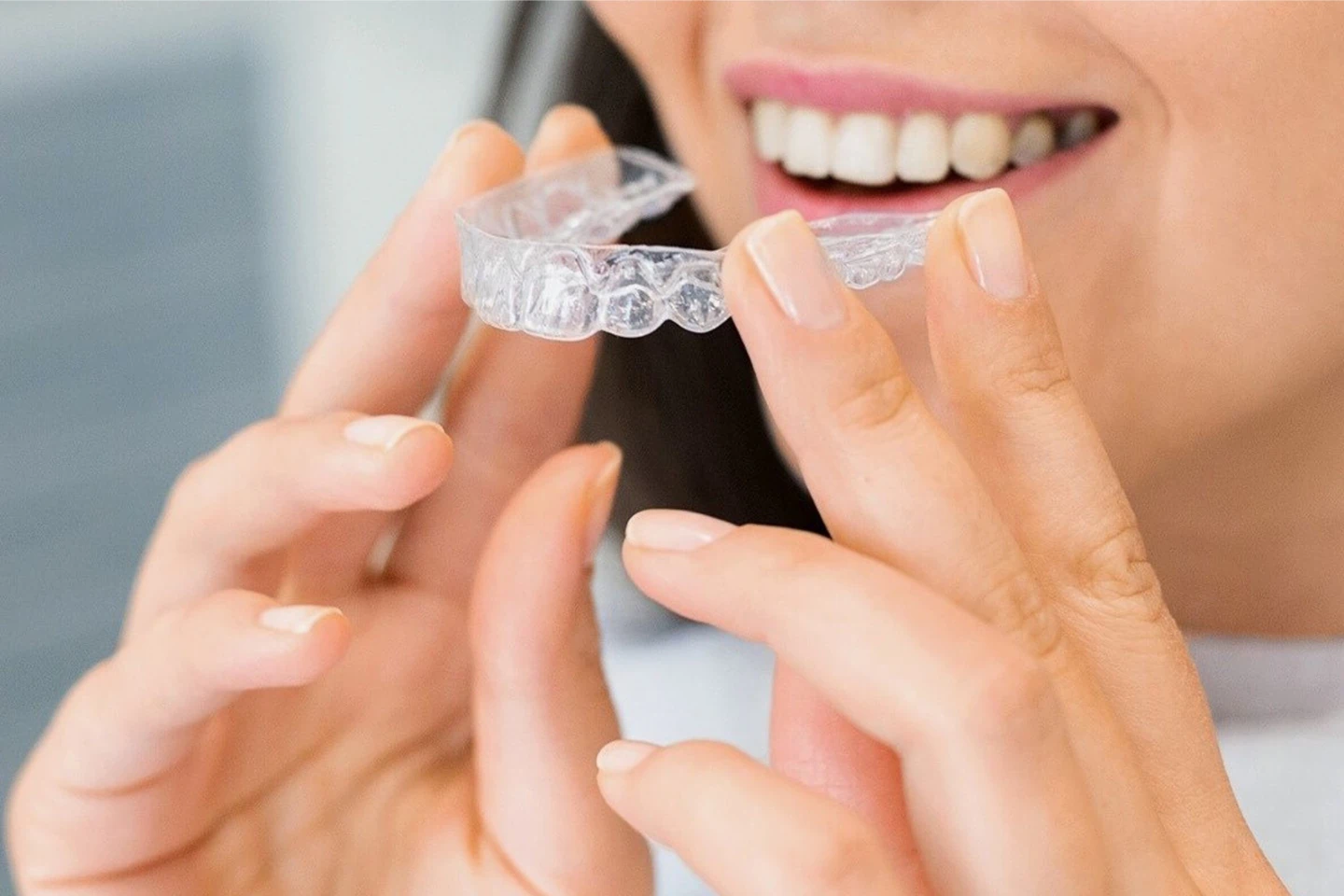
For decades, the standard answer to crooked or misaligned teeth involved metal wires, brackets, and a lengthy treatment process. Today, a quieter revolution in orthodontics has taken place, bringing the promise of a straight smile without the visible hardware: clear aligners.
Clear aligner have become household names, offering adults and teens a virtually invisible way to undergo orthodontic treatment. Yet, as with any advanced technology, a persistent question remains: Do clear aligners really work to straighten teeth?
The short, emphatic answer is yes. For the vast majority of common orthodontic concerns, clear aligners are highly effective. They have successfully treated millions of patients worldwide, offering a discreet, convenient, and often faster alternative to traditional metal braces. However, their effectiveness is not universal, and it relies heavily on two critical components: the complexity of the case and the discipline of the patient.
Understanding the science behind how these thin plastic trays move teeth, their limitations, and what they require from the user is key to appreciating their power and ensuring a successful outcome.
The Science Behind the Clear System
The concept of clear aligners is brilliant in its simplicity, yet sophisticated in its execution. Unlike braces, which use fixed wires to pull teeth into place, aligners utilize a carefully planned series of customized, removable trays to push teeth into their desired positions.
The Digital Planning Blueprint
The entire process begins not in the mouth, but in the digital space. Using advanced technology like 3D scanning (such as the iTero scanner), your Georgetown dentist or orthodontist creates a precise digital map of your teeth. Specialized software then generates a complete treatment plan, virtually mapping the movement of every tooth from its current position to its final, straight alignment.
This digital blueprint is crucial because it dictates the series of aligners you will receive. Each aligner in the series is designed to achieve a very small, specific amount of movement before you move on to the next set. This controlled, gentle force is what safely and effectively repositions the teeth over time.
The Role of Controlled Force
You will wear each set of aligners for one to two weeks before progressing to the next. The tray starts by fitting tightly over your current teeth. The plastic is engineered to push specific surfaces of the teeth, applying continuous, gentle pressure. When you switch to the next tray, it is slightly different, moving the teeth another step toward the target. This consistency of mild force is the engine that drives the teeth straightening process.
The Necessity of Attachments
While the aligners themselves perform simple tipping movements, more complex dental maneuvers, such as rotating a canine tooth or pulling a tooth downward (extrusion), often require the use of attachments. These are small, tooth-colored composite buttons bonded directly to the surface of the teeth.
The attachments act as grips or levers, giving the aligner a precise point of contact to exert the necessary torque or force. They are nearly invisible but are essential tools that greatly enhance clear aligner effectiveness, enabling them to handle cases that might otherwise require traditional braces.
Patient Compliance: The Crucial Variable
The biggest difference between clear aligners and fixed braces lies in the patient’s hands: compliance. Because the aligners are removable, the responsibility for achieving successful orthodontic treatment rests squarely on the patient's commitment.
To be effective, clear aligners must be worn for 20 to 22 hours per day. They should only be removed for eating, drinking anything other than water, and oral hygiene (brushing and flossing).
The Consequence of Low Wear Time
If the aligners are not worn for the minimum prescribed time, the necessary forces cannot be applied continuously. This can lead to:
- Tracking Issues: The teeth fall behind the planned movement schedule, meaning the next aligner tray will not fit correctly.
- Treatment Delays: The dentist may need to revert to a previous tray or order new aligners, significantly extending the overall treatment time and increasing the clear aligner cost.
- Treatment Failure: In severe cases of non-compliance, the treatment may stall, forcing a switch to traditional braces.
For dedicated patients, the clear aligners timeline often matches or even surpasses the speed of traditional braces, especially for moderate teeth straightening goals.
What Clear Aligners Treat Successfully
When the patient is compliant, clear aligners prove to be an exceptionally versatile and effective tool for a wide range of common alignment issues.
1. Mild to Moderate Crowding and Spacing
These are the textbook cases where clear aligner effectiveness shines brightest.
- Crowding: When teeth overlap due to lack of space, the aligners systematically expand the dental arch or push the teeth back to create room, guiding them into perfect alignment.
- Spacing: For patients with noticeable gaps between their teeth, the aligner series efficiently closes these spaces, often faster than traditional methods.
2. Bite Correction (Overbites, Underbites, and Crossbites)
Clear aligners are adept at correcting the alignment of the upper and lower arches to fix various malocclusions, provided the jaw relationship issues are primarily dental (tooth-position related) rather than severe skeletal problems.
- Overbites and Underbites: By applying specific pressure and often using attachments or small elastic bands worn with the aligners, the system can adjust the positioning of the front and back teeth to improve the bite relationship.
- Crossbites: Clear aligners can effectively widen a narrow arch or adjust individual tooth positions to resolve a crossbite, where the upper and lower teeth meet incorrectly.
3. Orthodontic Relapse
Many adults seek clear aligner treatment because their teeth have shifted years after childhood braces, a common condition known as orthodontic relapse. Clear aligners offer a perfect, discreet solution to quickly and easily guide these teeth back into their final, corrected position without the aesthetic drawback of repeat metal braces. This is a highly motivating factor for adult orthodontics.
Recognizing the Limitations
While clear aligners are powerful, they are not a magic wand. There are certain complex movements and severe conditions where the fixed leverage and power of traditional braces are still necessary.
1. Complex Movements
Movements that require a high degree of root control or significant rotation, such as correcting severely rotated canines or lifting a sunken tooth out of the gum line (extrusion), often require a more robust, fixed appliance. Although attachments have closed this gap, there are still technical limits to the pushing force of clear plastic.
2. Severe Skeletal Discrepancies
If the malocclusion is caused by a significant imbalance in the size or position of the upper and lower jawbones (severe overjet or underbite), the case becomes skeletal, not just dental. These issues often require a combination of fixed braces and sometimes even jaw surgery, placing them outside the scope of clear aligners alone.
3. Bridging and Prosthetics
Aligners are generally not designed to move teeth that are crowned, bridged, or part of a dental implant structure. For patients with extensive dental restorations, orthodontic treatment planning is much more complex and may favor the specific control offered by fixed braces in non-restored areas.
A thorough consultation with an experienced provider is the only way to confirm if your specific case can be successfully treated with clear aligners.
Lifestyle Benefits That Enhance Effectiveness
Part of why patients love clear aligners is their superior comfort and convenience, which indirectly supports their effectiveness by encouraging patient compliance.
- Virtually Invisible: The discreet appearance makes them the preferred choice for adult orthodontics and professionals concerned about aesthetics.
- Superior Oral Hygiene: Since the aligners are removable, brushing and flossing are performed normally. This significantly reduces the risk of white spots (decalcification) or gum disease, which can sometimes occur around traditional brackets. Maintaining hygiene is crucial for a successful and healthy outcome.
- No Dietary Restrictions: Unlike fixed braces, where popcorn, hard candy, and sticky foods are prohibited, aligners are removed for eating, allowing patients to enjoy their normal diet.
This improved quality of life makes the 22-hour wear time easier to maintain, creating a better treatment experience and a higher chance of a perfect result.
The Retention Phase: Securing the Straight Smile
The journey to straightening teeth does not end when the last aligner tray is complete. No matter which orthodontic method is used, the teeth have a natural tendency to shift back toward their original positions, a process called relapse.
To prevent this and lock in the success of your clear aligner treatment, the retention phase is mandatory. This involves wearing a retainer. Your dentist may recommend:
- Fixed Retainers: A thin wire bonded permanently to the back of the front teeth.
- Removable Retainers: Clear plastic trays (like Vivera retainers) worn nightly, indefinitely.
The retainer is what guarantees the long-term effectiveness of the clear aligners. Failing to wear your retainer is the primary reason for orthodontic relapse, undoing the time and investment put into your smile correction.
Conclusion: A Highly Effective and Discreet Solution
Do clear aligners work to straighten teeth? Absolutely. For most mild to moderate crowding, spacing, and bite correction issues, they represent the gold standard in modern orthodontic treatment. Their success is rooted in precise digital planning, continuous gentle force, and the patient's dedication to the required wear time.
If you desire a straighter smile without the visibility of metal brackets, a consultation with a qualified dental professional is the next essential step to determine your candidacy and map out your path to a renewed smile.
Ready to Start Your Clear Aligner Journey?
At Family Dental of Georgetown, we utilize state-of-the-art technology to provide customized clear aligner solutions, helping patients across Georgetown, MA, achieve their ideal smiles discreetly. Our experienced team is dedicated to providing personalized care that ensures effective results.
Contact your trusted Georgetown dentist today to schedule your consultation and find out if clear aligners are the right choice for you.
Call Family Dental of Georgetown today at (978) 352-8421 to schedule your dental consultation with Dr. Ruchieka Vij and Dr. Hitesh Vij. You may also email us at dentist@familydentalofgeorgetown.com if you have any questions.
We proudly serve families across Rowley, Andover, Ipswich, Lawrence, Haverhill, Newburyport, Groveland, Georgetown, North Andover, and Bradford.
A healthy smile builds confidence and comfort, and you deserve care that lasts a lifetime.
This form is for contact purposes only. Please do not share personal health information (PHI). We will call you to discuss or address your medical conditions at your visit.

Monday: By Appointment Only
Tuesday: 7:30 a.m.–5:00 p.m.
Wednesday: 7:30 a.m.–5:00 p.m.
Thursday: 7:30 a.m.–5:00 p.m.
Friday: 7:30 a.m.–12:00 p.m.

Call Us: (978) 352-8421




We provide advanced, compassionate dental care in a modern setting. Book your appointment today and smile with confidence.


© Family Dental of Georgetown, 2026. All rights reserved | Privacy Policy | Digital Marketing by Remedo